Explore the etymological origin, correct Sanskrit pronunciation, and scriptural truth behind the spellings Baglamukhi and Bagalamukhi.
ॐThe Root Word 'Valga' (वल्गा) and Etymology
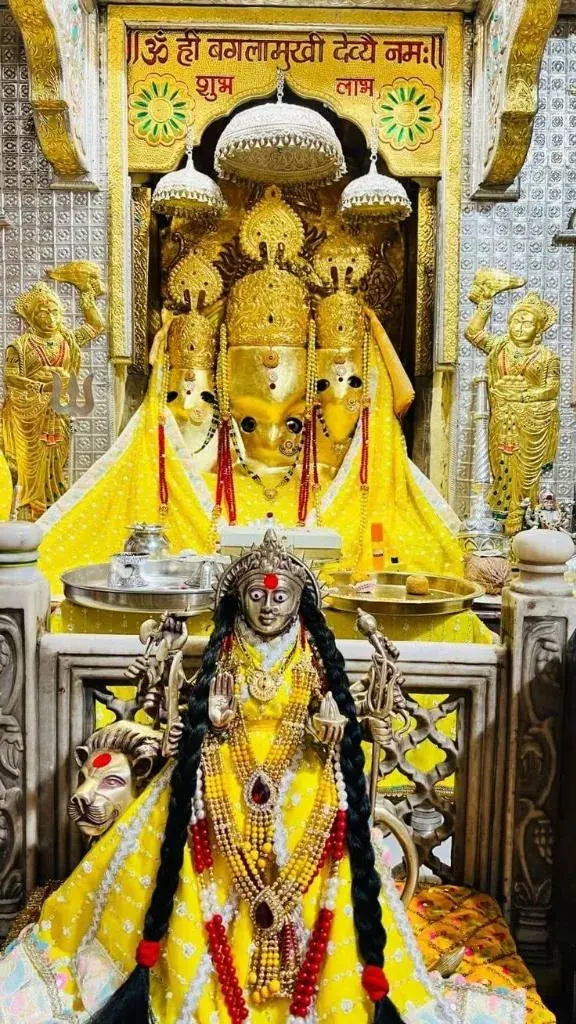
In ancient Sanskrit texts, the original name of the Goddess is Valgamukhi (वल्गामुखी). The word 'Valga' means a bridle or rein (used to control a horse). Hence, Valgamukhi translates to 'the one whose face has the power to control or bridle (the speech and intellect of enemies)'. Over centuries, through colloquial language shifts (Apabhramsha), the word Valga gradually transformed into Bagla (बगला) or Bagala (बगला). Both spellings are used today to refer to the eighth Mahavidya, representing the same supreme power of cosmic freeze.
ॐIs it 'Bagalamukhi' or 'Baglamukhi'?
From a purely grammatical perspective in Sanskrit and Hindi, both names refer to the exact same deity. In Hindi, it is commonly written as बगलामुखी (Baglamukhi), whereas in South Indian scripts, English translations of Tantric texts, and official academic papers, it is often spelled as Bagalamukhi (with an extra 'a'). This variation is simply a transliteration difference between regional languages and English. There is absolutely no difference in their divine powers, mantras, or blessings. Whether you pray to Maa Baglamukhi or Maa Bagalamukhi, she grants victory and protection equally.
Seek Puja & Protection
Consult Acharya Pt. Rudraksh Rajpurohit
For customized Maa Baglamukhi Havans, Sawa Lakh Mantra Jaap, or professional astrological consultation at Nalkheda Dham, contact directly.